

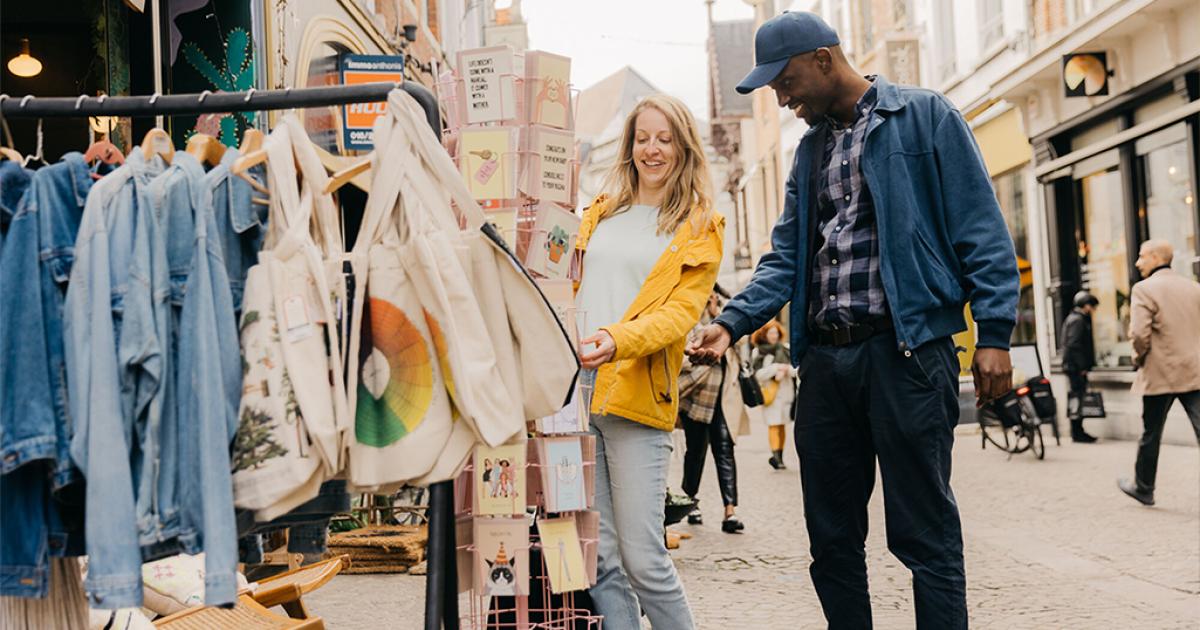

Introduction: More Than a Transaction
Shopping, in its most basic form, is an act of exchange—goods for money, desires for satisfaction. Yet in today’s world, it has evolved far beyond its original purpose. Shopping is now an experience, a cultural expression, a social ritual, and in many ways, a reflection of our values. Whether browsing through a quiet artisan market in a European town or filling a digital cart with one-click convenience, the way we shop reveals much about who we are. It speaks to our habits, our aspirations, and even our emotional states. In this refined exploration of shopping, we examine its evolution, its nuances, and its ever-deepening role in modern life.
The Evolution of Shopping: From Markets to Megastores
Throughout history, shopping has mirrored societal development. In ancient times, open-air markets served as both commercial and social hubs. The Silk Road thrived on trade, with merchants exchanging spices, silks, and stories across continents. As urbanization grew, so did the sophistication of shopping environments—from general stores to elegant department stores like Harrods in London or Galeries Lafayette in Paris.
Key milestones in the evolution of shopping:
-
Traditional markets: Where bartering and direct exchange created community bonds
-
Department stores: Introduced in the 19th century, offering a curated luxury experience under one roof
-
Shopping malls: Mid-20th century inventions that combined retail, food, and entertainment
-
E-commerce: A 21st-century revolution that placed the global marketplace at our fingertips
-
Mobile shopping: Apps and platforms that enable purchases on-the-go with personalized suggestions
The act of shopping has expanded from necessity to indulgence, from routine to recreation, constantly adapting to the rhythms of modern life.
Shopping as Cultural Expression
The way people shop around the world reflects their cultures and traditions. In Japan, omotenashi—the spirit of hospitality—defines a uniquely respectful and elegant customer service experience. In Middle Eastern souks, bargaining is not just acceptable but expected, turning every purchase into a spirited negotiation. In Scandinavian countries, minimalist shopping reflects broader values of simplicity, quality, and sustainability.
Cultural dimensions of shopping:
-
Customs and etiquette: Tipping, haggling, and customer interaction vary by region
-
Preferred products: What’s considered luxurious or essential changes from one culture to another
-
Local artisanship: Regional craftsmanship tells stories through materials, methods, and design
-
Holiday traditions: From Christmas markets in Europe to Diwali shopping in India, festive seasons drive unique retail experiences
Understanding these variations enriches the shopping experience and deepens appreciation for global diversity.
Emotional Dimensions: The Psychology of Shopping
Shopping is often driven by more than utility. It can soothe anxiety, lift moods, and provide a sense of control. In many cases, the thrill lies not in the acquisition itself, but in the anticipation and exploration.
Common emotional drivers behind shopping:
-
Therapeutic escape: Known as “retail therapy,” shopping can offer a brief respite from stress
-
Reward and celebration: A new outfit for a promotion, or a gift to mark a milestone
-
Identity building: What we buy reflects how we wish to be seen, or how we see ourselves
-
Curiosity and discovery: Exploring new products, styles, or innovations can feel intellectually stimulating
However, emotional shopping also comes with risks. Impulse buying and compulsive spending can lead to financial stress, underscoring the need for mindful shopping habits.
The Rise of Conscious Consumerism
Today’s shoppers are increasingly informed and ethically aware. They are not only asking “what does this cost?” but “who made this?” and “how was it made?” As concerns around climate change, labor rights, and waste mount, the retail world is seeing a shift toward sustainability and transparency.
Principles of conscious shopping:
-
Supporting ethical brands: Choosing companies that treat workers fairly and source responsibly
-
Reducing waste: Opting for reusable products and avoiding excessive packaging
-
Buying less, choosing well: Investing in quality over quantity to reduce long-term consumption
-
Secondhand and vintage: Giving new life to pre-loved items, especially in fashion and furniture
-
Local and small business support: Helping artisans and entrepreneurs thrive within their communities
This movement reflects a broader cultural awakening—one that sees shopping not only as a personal act but a societal one.
Digital Shopping: Convenience Meets Complexity
The digital age has dramatically reshaped how and where we shop. With a few taps, we can purchase anything from designer handbags to groceries, with doorstep delivery in days—or even hours. E-commerce giants like Amazon have revolutionized speed and convenience, while boutique online stores cater to niche tastes.
Advantages of online shopping:
-
24/7 accessibility: No closing hours or geographic limits
-
Wider selection: From global brands to independent makers
-
Price comparison: Tools that help shoppers find the best deal instantly
-
Customer reviews: Transparency and trust through user feedback
However, digital shopping brings its own challenges. Overconsumption, data privacy concerns, and environmental tolls from fast shipping demand thoughtful solutions from both consumers and corporations.
In-Store Shopping: The Experience Lives On
Despite the surge in e-commerce, brick-and-mortar retail remains vital. Physical stores offer sensory engagement, instant gratification, and a human touch. The rustle of a fabric, the scent of a perfume, or the warmth of a smile from a salesperson can’t be replicated online.
Why in-person shopping still matters:
-
Tactile experience: Trying before buying remains important, especially for apparel and luxury items
-
Social interaction: Shopping with friends or engaging with staff adds a layer of enjoyment
-
Ambiance and design: Many stores now function as lifestyle spaces, blending aesthetics with retail
-
Events and exclusives: Pop-up shops, product launches, and trunk shows create buzz and community
Retailers are increasingly focusing on immersive, experiential shopping to complement their digital presence.
Conclusion: Shopping with Intention and Elegance
In the grand tapestry of human activity, shopping holds a unique place. It is both ancient and modern, practical and emotional, individual and communal. As consumers, we navigate a complex world of choices—between convenience and conscience, price and principle, need and desire.
Shopping, when approached with awareness, can be a graceful act. It can reflect values, support livelihoods, and even elevate our sense of self. Whether in a bustling bazaar or a sleek online interface, the art of shopping continues to evolve—but its essence remains timeless. It’s not only about what we buy, but how and why we choose to do so that ultimately defines the elegance of our consumption.

Related posts
Latest Posts
Recent Posts
- Tantangan Finansial Setelah Stroke dan Cara Mempersiapkannya August 17, 2026
- Seasonal Reasons to Refresh a Workshop With US License Plates for Sale July 27, 2026
- Airflow Around Fruit Trees for Sale: A Nursery Specialist Perspective for British Gardens July 24, 2026
- How to design a YouTube thumbnail that actually gets clicked? July 22, 2026
- The Everyday Misconceptions About Nano Penetrating Oil and Industrial Lubricant June 27, 2026
- Cross Border Data Privacy Compliance Under GDPR and CCPA June 14, 2026
- Predictive Demand Modeling in Airline Route Planning June 3, 2026
Stay connected