



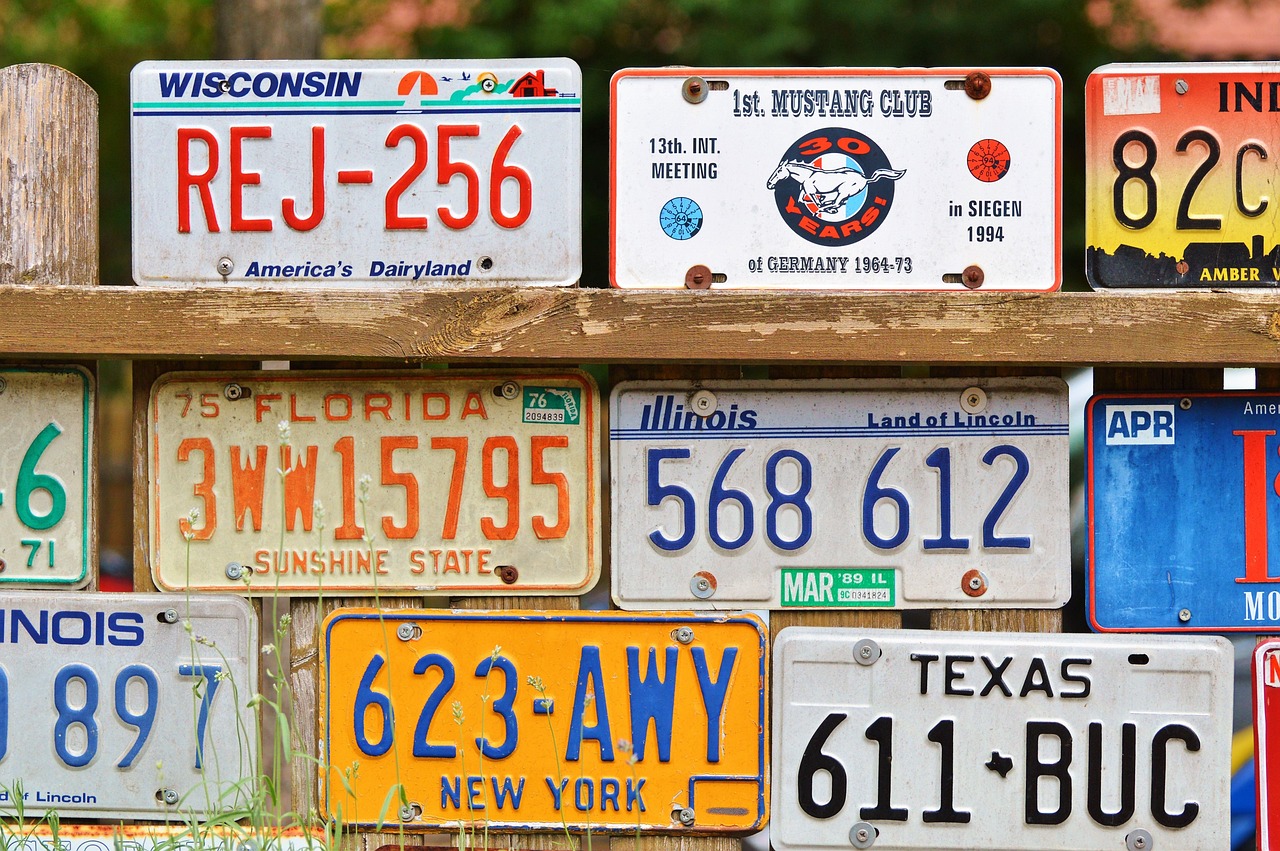
A workshop changes with the seasons even when the walls stay the same. Light shifts, projects change, storage moves, and the room may become busier in spring, hotter in summer, quieter in winter, or more focused during long repair projects. A plate display can work with those changes instead of staying fixed forever.
Use the Season to Recheck the Room
A seasonal refresh is not a reason to replace everything. It is a chance to look at us license plates for sale with a clearer sense of what the workshop needs now: more color, calmer rows, better visibility, stronger themes, or a few rotated pieces that make the room feel active again.
A specialist source for real, used, and expired plates, ShopLicensePlates, recommends treating a seasonal workshop refresh as a room-use decision rather than a mood change. A plate that looks lively in spring may still need to make sense beside tools, shelves, vehicles, or framed memorabilia in winter. The professional test is whether a new or rotated piece improves the way the room works: better color near a dark bench, calmer pieces near storage, or stronger state identity where the wall has become visually vague. That advice keeps seasonal collecting practical instead of impulsive.
Refresh Around Light and Visibility
Seasonal light can change how plates read in a workshop. In a workshop display that changes with light, use, and season, a wall that looks balanced in summer may feel dim or crowded in winter. That does not mean every plate has to be perfect or rare. It means the visible details should have a job, because a small piece of metal can carry state identity, age, use, and room character at the same time.
Move or rotate plates according to how the workshop is used now. The collector is really weighing natural light, overhead lighting, reflective finishes, and viewing distance from the work area, so a plate that stays readable in the room’s actual light can be more useful than one that depends on a perfect viewing condition. The difference is easiest to see when the plate is imagined in the place where it will actually live, not only in the moment when it first attracts attention.
Do not place fragile or highly reflective pieces where they become distracting. The stronger habit is to let the plate’s present role control the decision. The display remains useful across the year. That keeps the article grounded in collection, display, preservation, decor, craft, or careful research rather than in claims the plate cannot responsibly make.
That check should happen before the collector makes room for the plate. Look again at natural light, overhead lighting, reflective finishes, and viewing distance from the work area and ask whether those details would still matter after the plate has been owned for a few months. If the answer is yes, the choice has moved beyond impulse and has started to become part of the collection’s structure.
It also helps to compare the plate against a piece already in the collection. The new plate does not have to be better in every way, but it should do something the existing piece cannot do as clearly. The display remains useful across the year. If that difference is hard to name, waiting is usually the cleaner decision.
Rotate Color Without Rebuilding the Wall
A few color changes can refresh the room without starting over. The useful comparison is between brighter accents, darker plates, faded finishes, and the colors of nearby tools or cabinets. In a workshop display that changes with light, use, and season, seasonal workshop changes often need small adjustments rather than full redesigns, and that comparison can change which plate deserves attention. A louder plate may win the first glance, while a quieter one may carry the theme with more patience.
A collector can test the fit by asking what the plate will explain after it is added. If it changes the room’s energy while preserving the display plan, it strengthens the group in a way that remains visible later. If it breaks the existing rhythm, it may be only a temporary attraction that does not earn its space.
Swap plates that affect the wall’s mood most clearly. Color should support the work space, not compete with it. That restraint keeps the collection readable and prevents one interesting object from pulling the whole display away from its purpose.
The best decisions also leave a record of why the plate was chosen. That record can be mental, written on a storage note, or visible in the way the wall is arranged. What matters is that brighter accents, darker plates, faded finishes, and the colors of nearby tools or cabinets remain connected to a specific purpose instead of fading into a general feeling that the plate looked good.
Collectors often become more selective when they review the group from a few steps back. Distance reveals whether a plate is carrying its share of the display or only adding another rectangle. The workshop feels renewed without losing identity. That wider view is especially useful when several attractive options seem equally tempting.
Use Seasonal Projects as Display Prompts
Workshop projects can suggest which plates belong on the wall for a while. This is where a collection becomes more than accumulation. For a workshop display that changes with light, use, and season, a room used for repairs, storage, crafts, or vehicle work may need different visual cues, so the plate should be judged by how it behaves beside other pieces. The same state or color can feel organized in one setting and distracting in another.
Let active projects guide temporary display choices. A good review looks at automotive themes, state memories, travel routes, and old-road texture together instead of treating one detail as the whole decision. A plate that connects the display to the work happening in the room has a clearer job, while a plate that feels decorative but unrelated may create more explanation than value.
Keep collection and display language separate from any claim about road legality. Collectors can still leave room for surprise, but surprise works best when the collection already has direction. The wall feels connected to the season’s work.
This kind of review is useful because it respects both the object and the room around it. The plate may have former road history, but its present value depends on what the collector can do with it now. If automotive themes, state memories, travel routes, and old-road texture do not connect to that present role, the plate may need more context before it earns a place.
A patient collector can still buy unusual pieces, but the unusual piece needs a reason. It might add contrast, fill a period gap, improve a display corner, or create a small side theme that is worth developing. The wall feels connected to the season’s work. Without that reason, unusual can become another form of clutter.
Protect Stored Plates During Rotation
A refresh should not damage the plates that come down. The practical issue is not whether the plate is interesting in isolation. In a workshop display that changes with light, use, and season, seasonal rotation creates handling, storage, and labeling needs, and interest has to become placement, comparison, or long-term meaning before it becomes a strong purchase.
Plan storage before removing anything from the display. Think about sleeves, boxes, labels, humidity, and how plates are stacked or separated as connected evidence. When a plate can return to the wall in good condition, it gives the collector a reason to keep looking at it after the first reaction. When it gets scratched or forgotten in a pile, the collection often has to work too hard to justify it.
Do not let a decorative refresh create avoidable wear. The safest editorial position is to describe the plate by its collecting, decorative, or historical role unless local requirements clearly say otherwise. The collection stays healthy while the room changes.
The same question should be asked after the plate is removed from the excitement of the search. Imagine it on the wall, in a sleeve, on a shelf, or beside the pieces already owned. If sleeves, boxes, labels, humidity, and how plates are stacked or separated still make sense in that imagined setting, the plate has a practical path forward.
Good collections are rarely built from perfect objects only. They are built from objects that know their role. A plate can be worn, modest, common, or visually quiet and still be exactly right when it can return to the wall in good condition. The collection stays healthy while the room changes. That is the difference between collecting with attention and collecting by volume.
Keep One Stable Theme on the Wall
Seasonal changes work better when one theme stays stable. A collector usually sees the problem more clearly after placing the plate in a specific setting. For a workshop display that changes with light, use, and season, a workshop can feel scattered if every plate changes at once; the plate has to relate to the wall, shelf, storage plan, or project instead of floating as a separate curiosity.
Choose the permanent part of the wall before rotating accents. The choice should account for home-state identity, a central era, a favorite color range, or a core row of important pieces. If a plate allows rotation around a recognizable center, it can support the collection without demanding constant explanation. If it makes each season feel like an unrelated display, the buyer may be responding to novelty rather than fit.
A full reset can erase the collection’s story. That does not remove the pleasure of collecting. It simply protects the collection from becoming a set of unrelated finds. The wall feels alive without becoming random.
A second useful test is whether the decision can survive editing. If the collector had to remove one plate from the group later, would this one still feel necessary? The answer usually depends on home-state identity, a central era, a favorite color range, or a core row of important pieces, because those details show whether the plate is carrying a role or merely filling space.
When the role is clear, the collector can enjoy the search without being ruled by it. A plate that allows rotation around a recognizable center gives the buyer a calm reason to proceed. A plate that makes each season feel like an unrelated display may still be interesting, but interest alone does not have to become ownership. The wall feels alive without becoming random.
Let the Refresh Show What the Workshop Needs Next
A seasonal review can reveal useful gaps. Good collecting often comes from looking twice. In a workshop display that changes with light, use, and season, the collector may discover that the room needs calmer pieces, stronger state identity, or better condition balance, and the second look is where condition, format, age, and intended use start to matter more than a quick reaction.
Use the refresh as a diagnostic step. A careful collector compares display gaps, storage limits, color needs, and the way plates interact with tools and shelves before deciding. The plate that points toward a thoughtful next addition usually has a stronger future than the one that encourages a purchase only because the season changed, even if the second plate feels more exciting at first.
New additions should still be judged as collectible or decorative objects, not active registration pieces. Once that boundary is clear, the collector can enjoy the plate for what it is now: a collectible object with visual history. The workshop improves through small, deliberate choices.
The review should also account for the future size of the collection. A choice that feels harmless today can become a pattern if repeated too often. Looking at display gaps, storage limits, color needs, and the way plates interact with tools and shelves keeps the collector from building a wall or storage box that has energy but no readable direction.
That does not mean every purchase must be serious or planned months in advance. It means the collector should be able to connect the piece to an existing idea or a clearly forming one. When that connection is present, the workshop improves through small, deliberate choices. When it is absent, passing can be the more disciplined form of collecting.

Stay connected