


Introduction: A Journey Beyond the Horizon
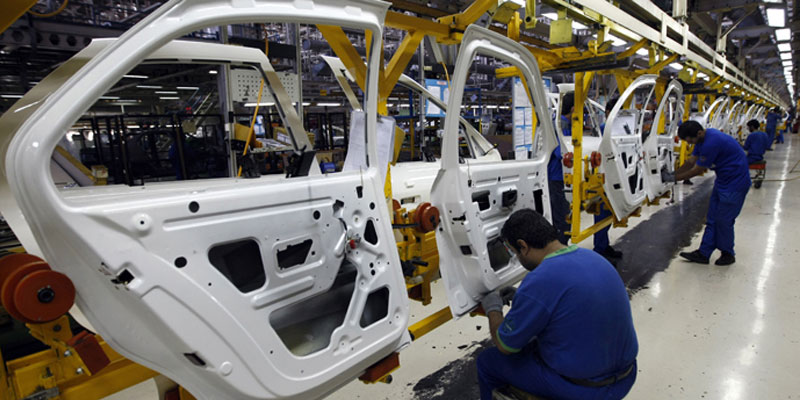
The automotive industry, once defined by gears, grease, and gasoline, is undergoing a seismic transformation. What was once the realm of mechanical ingenuity is now interlaced with software, sustainability, and smart systems. As global markets shift, technology accelerates, and environmental concerns intensify, the auto sector finds itself in a race not just for profit but for progress. This article explores the multidimensional evolution of the auto industry—touching on innovation, consumer behavior, environmental responsibility, and the road ahead.
From Assembly Lines to Algorithms: A Century of Innovation
Since the dawn of Henry Ford’s mass production model, the automotive industry has been an emblem of innovation. The last century witnessed radical advancements—from the invention of automatic transmission and anti-lock braking systems to the integration of GPS and infotainment features. Yet, today’s innovations are unfolding at an unprecedented pace, driven primarily by three core forces:
-
Electrification: Electric vehicles (EVs) are rapidly displacing internal combustion engines (ICEs), fueled by environmental regulations and consumer awareness.
-
Autonomous technology: Self-driving cars, once the stuff of science fiction, are now being tested on public roads, with companies like Tesla, Waymo, and Apple making major investments.
-
Connectivity: Modern cars are becoming mobile data centers, capable of communicating with other vehicles, infrastructure, and even cloud services.
These changes mark a shift from hardware-defined to software-defined vehicles, with more emphasis on artificial intelligence, machine learning, and data integration than ever before.
The Electric Revolution: Powering a Cleaner Tomorrow
Electric vehicles represent more than just a greener alternative—they are at the heart of the auto industry’s future. Spearheaded by pioneers like Tesla and followed by traditional giants like Ford, Volkswagen, and General Motors, the EV movement is gaining ground globally.
Key drivers behind EV adoption include:
-
Government Incentives: Tax credits, rebates, and grants have made EVs more accessible.
-
Improved Battery Technology: Enhanced lithium-ion batteries offer better range and faster charging times.
-
Infrastructure Expansion: Charging networks, once scarce, are now growing across urban and rural landscapes alike.
EVs also promise reduced maintenance costs, smoother performance, and a significant drop in carbon emissions—an increasingly vital factor in purchasing decisions.
Autonomy in Motion: The Self-Driving Era
Autonomous vehicles (AVs) are arguably the most disruptive innovation in automotive history. Utilizing an array of sensors, cameras, radar, and AI-driven systems, AVs aim to reduce accidents, eliminate human error, and redefine personal mobility.
There are five levels of vehicle autonomy:
-
Level 0 – No automation
-
Level 1 – Driver assistance
-
Level 2 – Partial automation (e.g., Tesla Autopilot)
-
Level 3 – Conditional automation
-
Level 4/5 – Full autonomy with no human intervention required
While we are still navigating between Levels 2 and 3, industry leaders are rapidly working toward full-scale autonomy. The implications stretch beyond safety—urban planning, insurance models, and even real estate will likely shift in response to this new era.
Sustainability and Responsibility: The Green Imperative
No discussion of modern automotive development is complete without acknowledging the industry’s environmental responsibilities. Traditional vehicles are a major contributor to greenhouse gas emissions. As climate change becomes a pressing global concern, automakers are recalibrating their strategies to embrace sustainability not just in product design but across the entire supply chain.
Eco-conscious practices in the auto industry include:
-
Recycling and reusing materials in vehicle production
-
Sourcing ethical and conflict-free minerals for EV batteries
-
Reducing water consumption during manufacturing
-
Utilizing renewable energy in production facilities
Beyond that, many companies are committing to achieving carbon neutrality within the next two decades, a goal that requires holistic change from design to disposal.
Changing Consumer Preferences: From Ownership to Experience
Consumer expectations have evolved dramatically. The modern car buyer is less interested in horsepower and more invested in features like digital integration, safety systems, and eco-friendly performance. Moreover, the concept of car ownership itself is being questioned.
Emerging trends include:
-
Car Subscription Services: Monthly plans that include maintenance, insurance, and the freedom to switch vehicles
-
Ride-Sharing and Mobility-as-a-Service (MaaS): Platforms like Uber and Lyft have altered how people view transportation
-
Over-the-Air (OTA) Updates: Just like smartphones, cars now receive software updates remotely, enhancing features and fixing bugs
Consumers are no longer just drivers—they are users of a mobile experience. Automakers that understand and embrace this dynamic are poised to thrive in the coming years.
Global Markets and the Geopolitics of Auto Manufacturing
Auto manufacturing has always been an intricate dance of global supply chains, trade agreements, and cross-border collaborations. However, recent geopolitical shifts, including trade tensions and pandemics, have exposed vulnerabilities in these networks. As a result, automakers are exploring strategies such as:
-
Regionalized production to reduce dependency on foreign components
-
Reshoring critical manufacturing processes
-
Diversifying supplier bases to ensure resilience
At the same time, emerging markets such as India, Southeast Asia, and parts of Africa are seeing increased automotive investment, fueled by growing middle classes and infrastructural development.
The Road Ahead: Challenges and Opportunities
The road ahead for the auto industry is both exciting and uncertain. Innovation brings risk, and with every technological leap comes regulatory, ethical, and logistical challenges. Cybersecurity, data privacy, infrastructure upgrades, and labor transitions are just a few of the hurdles facing automakers today.
However, those challenges are matched by immense opportunities:
-
New revenue streams from data services and app ecosystems
-
Enhanced safety and reduced traffic fatalities via AV technologies
-
Expanded mobility options for underserved and rural communities
-
Significant environmental impact reduction with clean energy vehicles
Conclusion: Driving Toward a Smarter, Safer, and Greener Future
The automotive industry is no longer just about building vehicles—it’s about building a better future. Through electrification, automation, and digital innovation, the auto sector is redefining mobility for generations to come. As technology advances and societal values evolve, the industry’s success will depend not only on horsepower or sleek design but on adaptability, sustainability, and vision.
In a world where roads lead to endless possibilities, the auto industry stands at a pivotal intersection—ready to accelerate toward a smarter, safer, and greener tomorrow.

Stay connected