

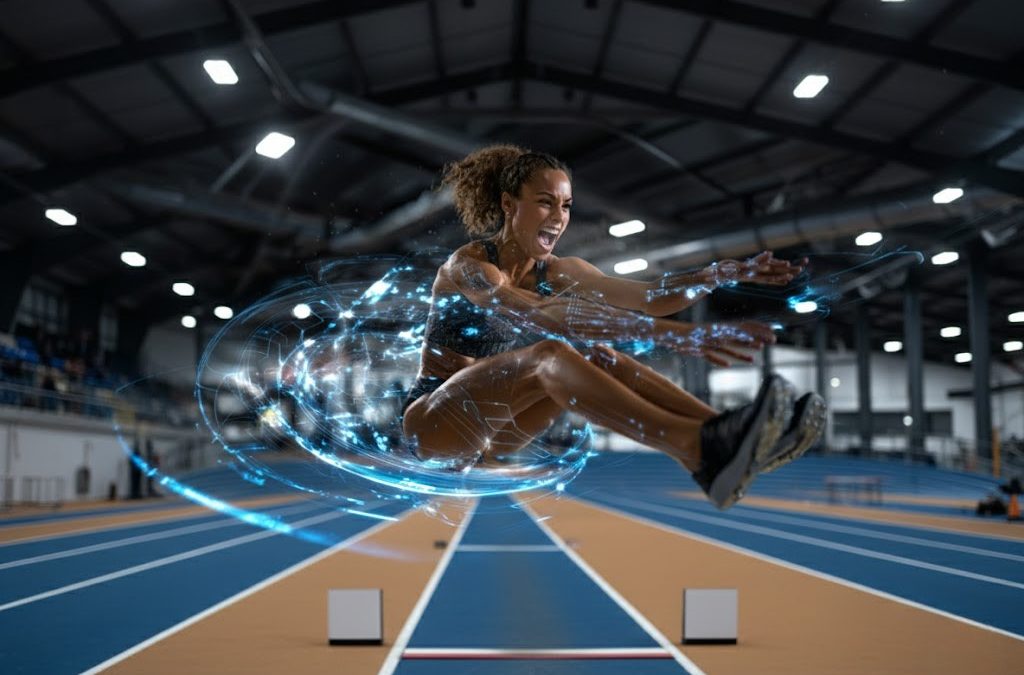

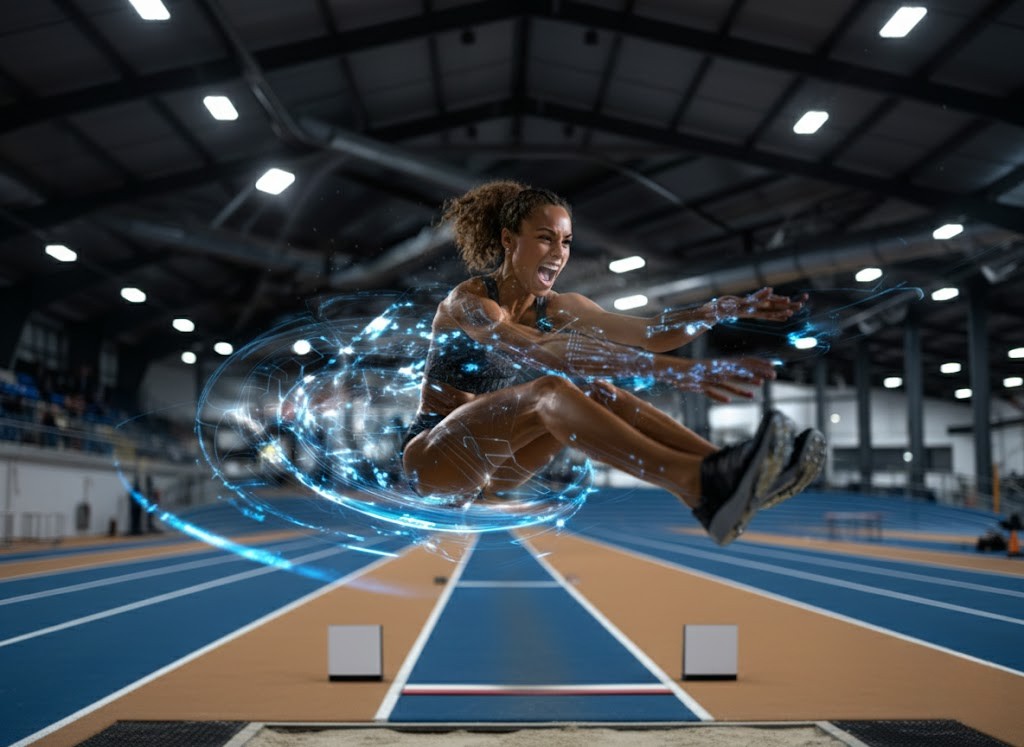
Modern competitive sports have entered an era where raw physical talent alone is no longer enough to secure podium finishes or championship titles. Winning margins at the elite level are razor-thin, prompting sports scientists, coaches, and medical staff to look deep inside the human body for competitive advantages. Advanced biometric analytics has emerged as the cornerstone of contemporary athletic preparation. By continuously tracking, processing, and interpreting a wide array of physiological metrics, performance teams can fine-tune training regimens, accelerate recovery cycles, and protect high-value athletes from catastrophic injuries.
The Evolution of Physiological Monitoring in Sports
The journey from manual stopwatch timings and subjective fatigue questionnaires to sophisticated continuous biometric monitoring represents a massive leap forward in sports medicine. Historically, training loads were prescribed using generalized templates and adjusted based on an athlete’s verbal feedback. This archaic approach frequently led to overtraining, chronic fatigue, and preventable soft tissue injuries.
-
Transition from Intermittent to Continuous Tracking: Early physiological evaluations relied heavily on laboratory testing sessions that occurred infrequently. Today, non-invasive wearable sensors capture continuous streams of data during every minute of practice, recovery, and competition.
-
Multi-Parametric Data Integration: Modern frameworks do not look at isolated metrics. Instead, they combine cardiovascular markers, neuromuscular status, biochemical indicators, and external mechanical loads to build a comprehensive digital profile of the athlete.
-
Real-Time Decision Making: The integration of wireless data transmission allows coaching staff to monitor live physiological strain during high-intensity training drills, enabling immediate adjustments if an athlete displays signs of acute distress or dangerous overheating.
Core Biometric Metrics Driving Modern Performance
To optimize human performance effectively, sports scientists focus on specific physiological indicators that reveal how the body responds to stress and recovery.
-
Heart Rate Variability: Tracking the fluctuation in time between consecutive heartbeats serves as a primary indicator of autonomic nervous system balance, revealing how well an athlete is adapting to physical and psychological stressors.
-
Blood Lactate and Metabolic Stress: Monitoring blood lactate concentration during specialized exertion tests helps define precise anaerobic and aerobic thresholds, allowing trainers to tailor energy system development.
-
Neuromuscular Efficiency: Force plates and accelerometers measure power output, jump heights, and ground reaction forces to evaluate central nervous system fatigue and explosive capability on a day-to-day basis.
Machine Learning and Predictive Analytics
The sheer volume of data generated by multi-sensor wearable ecosystems creates a significant challenge: making sense of millions of data points without overwhelming the coaching staff. This is where advanced machine learning algorithms and artificial intelligence transform raw numbers into actionable strategic insights.
Predicting and Mitigating Injury Risks
One of the most valuable applications of advanced biometric analytics is the early detection of injury vulnerabilities before structural damage occurs.
-
Workload Spikes and Fatigue Correlation: Predictive algorithms analyze the ratio between acute training loads over a single week and chronic workloads over a month. When sudden spikes exceed safe thresholds, the system flags the athlete as high risk.
-
Biomechanical Asymmetry Detection: Subtle changes in stride length, ground contact time, or left-right force imbalances often precede major joint or muscle strains. Machine learning models catch these microscopic gait deviations long before the athlete feels physical pain.
-
Targeted Intervention Strategies: Armed with predictive alerts, sports medicine teams can modify training volumes or prescribe targeted recovery modalities, drastically reducing the incidence of missed games and competitions.
Personalizing Recovery Protocols
Recovery is just as important as the workout itself, yet generalized rest schedules rarely account for individual physiological differences. Biometric analytics allows sports scientists to customize recovery protocols down to the individual athlete.
-
Sleep Architecture Analysis: Advanced wearable rings and headbands track rapid eye movement and deep sleep stages, correlating sleep quality metrics with next-day physical readiness scores.
-
Autonomic Recovery Tracking: By evaluating morning resting heart rate and baseline heart rate variability trends, trainers can determine whether an athlete requires active recovery, complete rest, or high-intensity exertion.
Overcoming Practical Challenges in Implementation
Despite the clear benefits of advanced biometric analytics, elite sports organizations face persistent hurdles when deploying these technologies across a full roster of athletes.
Data Privacy and Information Overload
As tracking systems become more pervasive, managing sensitive health data requires strict governance frameworks to protect athlete privacy. Furthermore, coaches face the constant danger of information overload. Distilling complex physiological dashboards into simple, clear, and actionable directives remains essential for maintaining effective communication between data analysts and coaching staff.
-
Secure Data Silos: Organizations must ensure that biometric telemetry is encrypted, stored securely, and kept strictly confidential to maintain trust between athletes and management.
-
Actionable Simplification: The most successful performance teams distill complex algorithms into straightforward daily readiness traffic lights, allowing coaches to make quick decisions without getting bogged down in raw data tables.
Frequently Asked Questions
How do wearable sensors communicate data to sports science teams in real time?
Wearable devices utilize low-power wireless transmission protocols like Bluetooth Low Energy or localized radio frequency networks to beam telemetry data directly to courtside or sideline receivers, where automated software pipelines ingest and visualize the metrics instantly.
Why is heart rate variability preferred over standard resting heart rate?
While resting heart rate measures the absolute speed of the heart, heart rate variability measures the precise fluctuations in time intervals between beats, offering a much more sensitive reflection of autonomic nervous system resilience and overall systemic stress.
How do force plates contribute to daily readiness assessments?
Force plates measure vertical and horizontal ground reaction forces during standardized jumps, allowing sports scientists to evaluate explosive leg power and neuromuscular fatigue within seconds before a training session begins.
Can biometric analytics accurately predict psychological stress in elite competitors?
While biometrics primarily track physiological responses, sustained alterations in resting metrics, elevated nocturnal heart rates, and disrupted sleep architectures often correlate strongly with heightened mental anxiety and psychological burnout.
What is the role of data clean rooms in professional sports data management?
Data clean rooms allow multi-organization research groups and franchise partners to share aggregated performance and medical insights securely without exposing raw, personally identifiable athlete health records to external parties.
How do environmental factors influence biometric data accuracy?
Extreme environmental conditions like high ambient temperatures, humidity, or high-altitude training significantly alter core cardiovascular metrics, requiring analytics platforms to normalize data against local weather variables to prevent false fatigue flags.
How are youth or amateur athletes adapting these elite technologies?
Affordable fitness trackers, smartphone-based optical heart rate sensors, and accessible mobile apps are gradually trickling down to developmental academies, democratizing basic biometric monitoring for the next generation of competitors.

Stay connected